


Stevens-Johnson Syndrome (SJS) is a rare, serious disorder of the skin and mucous membranes, usually a reaction to a medication or an infection. Early detection and treatment are critical to improving outcomes and minimizing the severity of the symptoms. Here’s what you need to know about the importance of recognizing SJS early and seeking immediate medical attention.
Understanding SJS
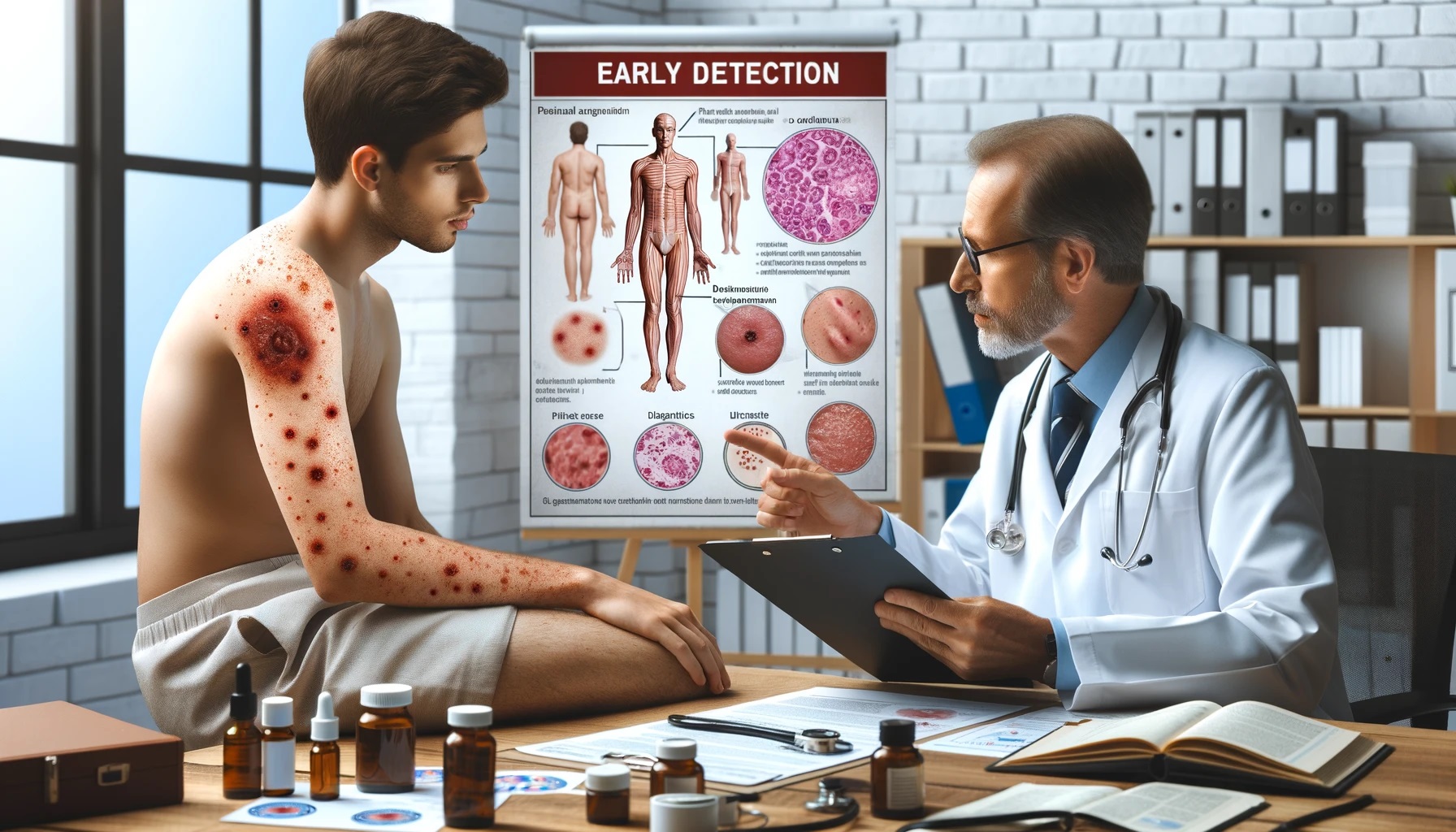
SJS is characterized by painful red or purplish rash that spreads and blisters, causing the top layer of the skin to die and shed. It often starts with flu-like symptoms followed by a painful rash that spreads and blisters. The mucous membranes, such as the mouth, eyes, and genitals, are typically affected, which can lead to serious complications.
The Critical Role of Early Detection
Early detection of SJS is crucial because the progression of the disease can be rapid and severe. Recognizing the symptoms early can lead to prompt treatment, which significantly reduces the risks of complications like infections, eye problems, and permanent skin damage. Here are key reasons why early detection is crucial:
Recognizing Early Symptoms of SJS
Being aware of the early symptoms of SJS can save lives. These include:
If you or someone you know begins showing signs of what could be SJS, seek immediate medical attention.
Conclusion
Understanding the importance of early detection of SJS can lead to faster and more effective treatment, significantly improving the prognosis. If you suspect SJS, immediate action is critical. For more information and support on SJS, visit Stevens-Johnson Syndrome Awareness UK, a dedicated resource committed to increasing awareness and providing support for affected individuals and their families.